MyFitnessPal vs Cronometer
MyFitnessPal vs Cronometer compared: database size vs data curation, barcode paywalls, micronutrients and pricing — with the verdict by user type.
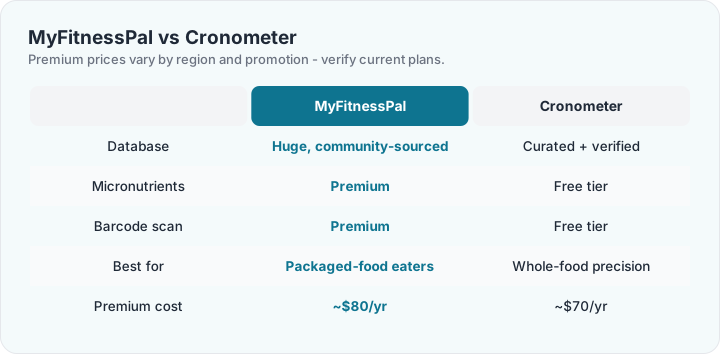
This is the category's defining matchup, and it is really a question about food data: do you want the biggest possible catalog (MyFitnessPal) or the most trustworthy entries (Cronometer)? MyFitnessPal crowdsources hundreds of millions of foods — coverage of obscure brands is unbeatable, and quality is a lottery. Cronometer curates against lab-grade sources (USDA, NCCDB) — whole foods and standard products are superb; rare packaged brands sometimes miss.
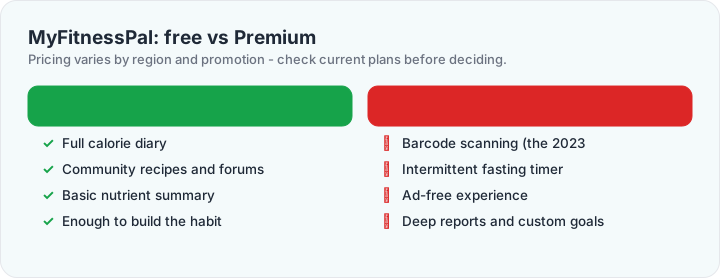
The free tiers decide it for most people. Cronometer gives away micronutrients, barcode scanning and an ad-free diary — its business model charges for power features instead of holding essentials hostage. MyFitnessPal free is a solid diary with ads, but the 2023 barcode paywall and Premium at around $80/year tilt the value equation toward Cronometer for anyone unwilling to pay.
Verdict by user type: whole-food cooks, keto, athletes, micronutrient-curious — Cronometer. Packaged-food-heavy diets with Premium willingness — MyFitnessPal. Both compute budgets the same way; either pairs perfectly with the TDEE calculator that sets your target before the app tries to.
Frequently asked questions
Is Cronometer better than MyFitnessPal?
At data quality and free-tier honesty: yes. At database breadth for obscure packaged brands and community features: MyFitnessPal. Most whole-food eaters prefer Cronometer within a week of trying both.
Which is more accurate, MyFitnessPal or Cronometer?
Cronometer — curated, source-visible entries against lab-grade databases beat community-submitted values. The difference matters most for micronutrients and whole foods.
Can I use both apps at once?
Pointless for logging (double entry kills the habit) but fine for a one-week data audit: log the same foods in both and see which database you trust on YOUR staples.
Which app is better for eating out a lot?
MyFitnessPal — restaurant and chain items are far deeper in its community database. Cronometer users eating out often log a best-match generic entry and accept the estimate; that is the curated-database trade in one sentence.
Do they sync with wearables?
Both integrate with the major platforms (Garmin, Fitbit, Apple Health, Google Fit). MyFitnessPal has the longer integration list; Cronometer covers the essentials and imports exercise for TDEE adjustments.
Which is better for eating out a lot?
MyFitnessPal — restaurant chains are far deeper in its community database. Cronometer users usually log a generic best-match and accept the estimate; the curated-database trade in one sentence.
Which app has fewer ads?
Cronometer — the free diary is ad-free. MyFitnessPal free shows ads between actions, which some users find breaks the logging habit faster than any missing feature would.
Which one should a beginner pick this week?
Cronometer — the free tier gives you everything essential without a payment decision, and the data teaches you what food actually contains. Switch later if the database gaps bite your specific diet.